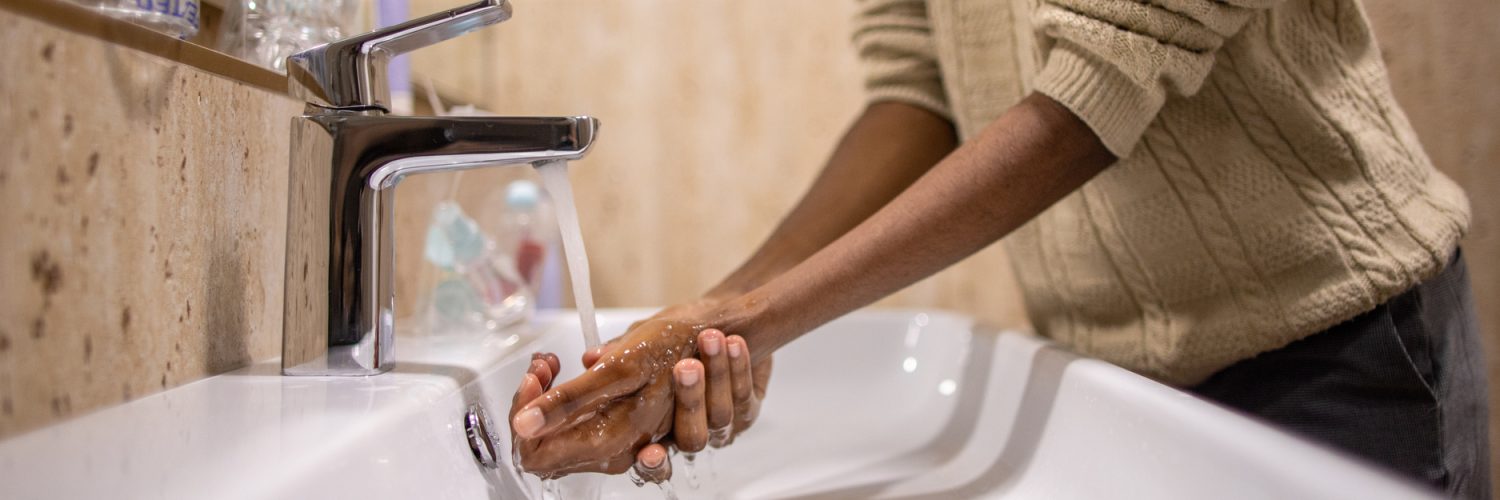
Washing your hands is one of the simplest ways to help prevent the spread of germs and protect your health. But even if you’ve been doing it your whole life, there may be a few things you don’t know about getting your hands truly clean. From water temperature to the type of soap you use, some small details can make a difference.
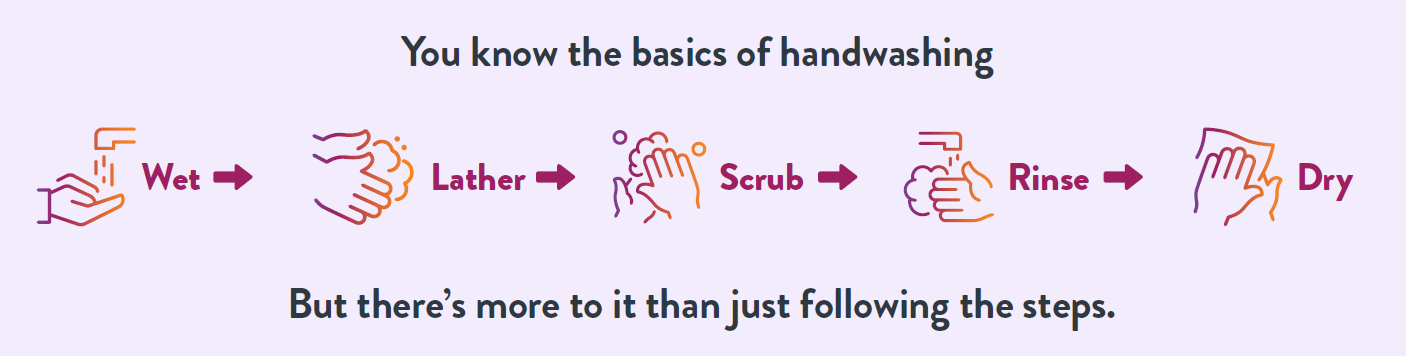
The water doesn’t need to be hot
- Hotter water doesn’t do a better job of removing germs.
- Choose a temperature that feels comfortable, whether that’s warm, cool, or somewhere in between.
You don’t need antibacterial soap
- Plain soap is effective for everyday handwashing.
- Soap helps lift dirt, oils, and microbes from your skin so they can be rinsed away.
More soap doesn’t mean cleaner hands
- Use enough to lather and cover all surfaces of your hands.
- Thorough scrubbing and rinsing are what help remove dirt and germs.
Washing your hands fully is important
- Be sure to wash all areas of your hands, including your fingertips, thumbs, between fingers, and under your nails.
- Washing for at least 20 seconds gives you enough time to thoroughly clean them.
Drying your hands makes a difference
- Germs transfer more easily to and from wet hands.
- Thorough drying is part of an effective handwash.
No sink? No problem.
Hand sanitizer is a convenient alternative when soap and water aren’t available.
- Choose one with at least 60% alcohol.
- Coat all surfaces of your hands and rub until dry.
Handwashing may be something you do without much thought, but it plays an important role in keeping yourself and those around you healthy. Taking a little extra care with this everyday habit can help make good hygiene second nature, whether you’re at home, at work, or on the go.