When temperatures rise, staying cool isn’t just about comfort—it’s also essential for your health and well-being. Whether you’re working, traveling, or enjoying time outdoors, a few simple strategies can help you stay safe, energized, and feeling your best all summer long.
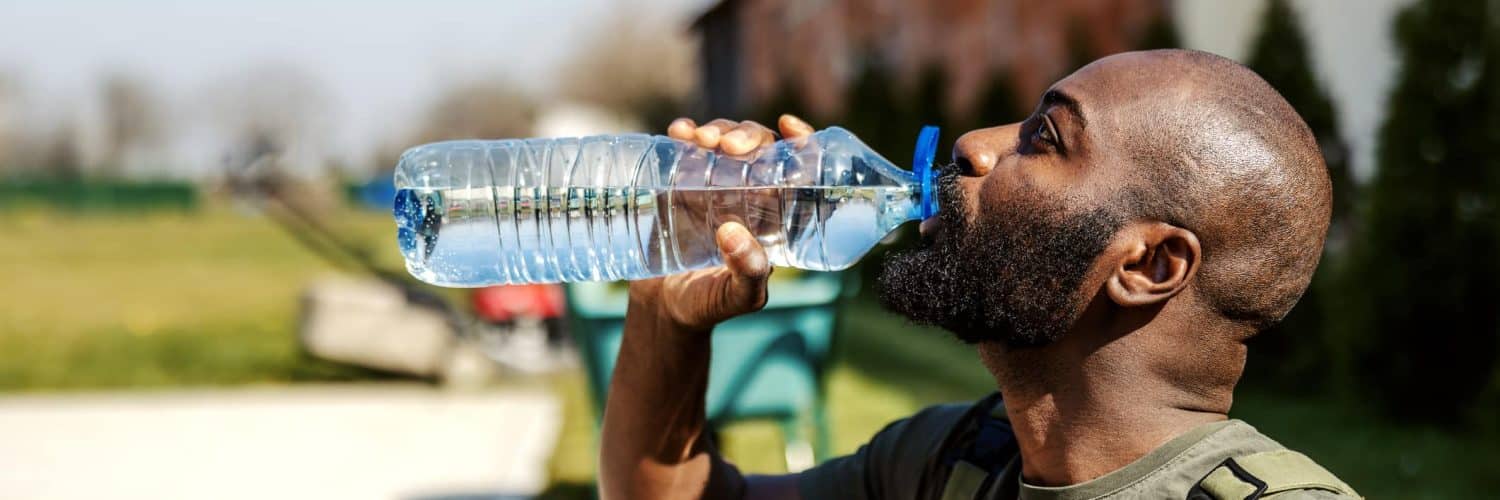
Hydrate, hydrate, hydrate! Your body loses more fluids in the heat, even if you’re not sweating heavily. Keep a water bottle within reach and sip throughout the day. If you’re active or spending extended time outside, drinks with electrolytes can help replace the fluids your body loses through sweat.
Eat for the heat. Heavy meals can make you feel more sluggish. Lighter foods—like fruits, vegetables, yogurt, and smaller meals spaced throughout the day—are often easier to tolerate when temperatures rise. Foods with high water content, such as watermelon or cucumbers, can also help you stay hydrated.
Dress for the weather. What you wear can make a big difference. Wearing lightweight, loose-fitting clothing made from breathable fabrics like cotton or linen helps air move around your body and allows sweat to evaporate more easily. Lighter colors also reflect sunlight and reduce heat absorption.
Protect your skin. Sun protection is essential even on partly cloudy days. Use a broad-spectrum sunscreen with at least SPF 30, wear a wide-brimmed hat, and don’t forget sunglasses. Reapply sunscreen every two hours, especially if you’re swimming or sweating.
Plan around the heat. Try to schedule outdoor activities for early morning or evening, when it’s cooler. If you need to be outside during peak hours, take frequent breaks in the shade or in air-conditioned spaces.
Pace your activity. Heat puts extra stress on your body, so it’s important to slow down when needed. Take breaks more often than usual, avoid intense exercise during peak heat, and avoid pushing through fatigue. Your body works harder to cool itself in high temperatures, even during routine tasks.
Keep your space cool. At home or work, use fans, close blinds or curtains during the hottest part of the day, and use air conditioning when available. Small changes in airflow and blocking sunlight through windows can noticeably reduce indoor temperatures.
Cool down quickly. If you start feeling overheated, small actions like these can help: Rinse wrists with cool water, take a cool shower, or use a damp cloth on your neck. These can help lower your body temperature while you rest.
Listen to your body. Fatigue, dizziness, headaches, and nausea can all be signs of heat-related illness. If you notice these symptoms, move to a cooler place, hydrate, and rest. Don’t ignore what your body is telling you. Taking early action can help prevent symptoms from worsening.
By taking a few simple precautions—staying hydrated, dressing appropriately, and pacing yourself—you can enjoy everything summer has to offer while protecting your health. A little planning goes a long way in helping you stay comfortable and safe, even on the hottest days.