Preparing meals at home is a great way to eat well, but it’s also important to handle food safely from start to finish. Whether you’re cooking, eating, or storing food, these simple habits can help reduce the risk of foodborne illness and keep you and your family safer in the kitchen.
Simple food safety tips
Wash your hands
Wash your hands before handling food and after touching raw meat, pets, trash, or your phone.
Clean your surfaces
Clean countertops with soap and water or a kitchen cleaner. Don’t just wipe them down.
Prevent cross-contamination
Use separate cutting boards for raw meat and cooked foods or fresh produce.
Thaw food safely
Always thaw frozen foods in the refrigerator, not on the kitchen counter.
Cook meat thoroughly
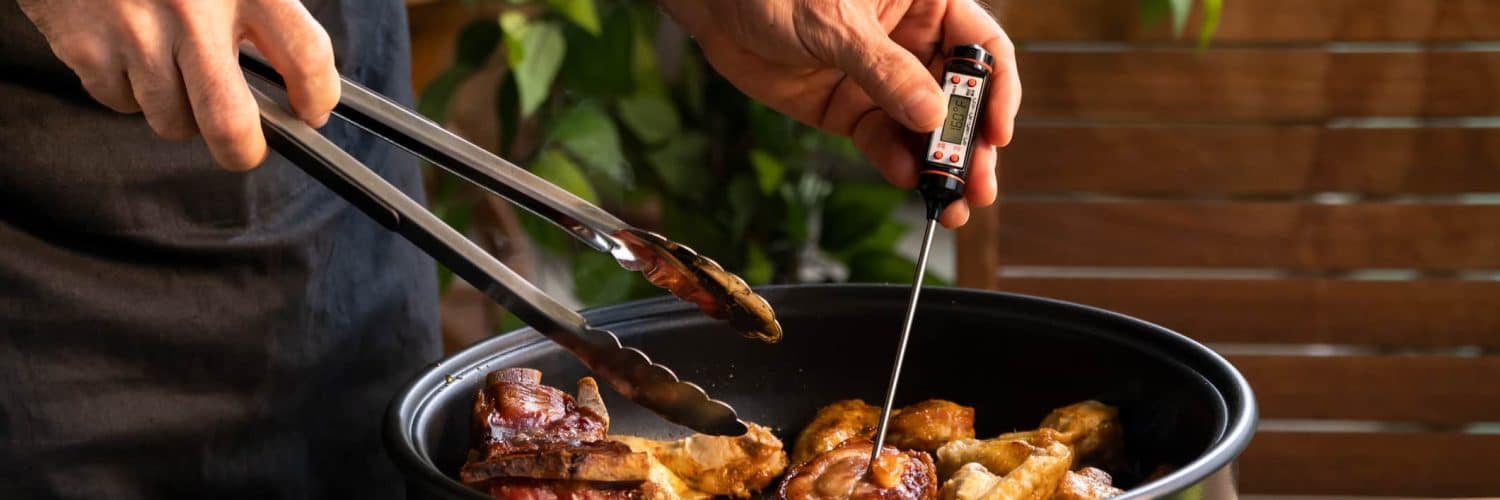
Use a food thermometer to make sure meat is cooked to a safe internal temperature.
Refrigerate leftovers promptly
Place leftovers in the refrigerator within two hours of cooking or serving.
Eat leftovers while they’re fresh
Refrigerated leftovers are generally best eaten within 3–4 days.
Don’t leave food out overnight
Discard food that has been left at room temperature overnight.
When in doubt, throw it out
If you’re unsure whether food is still safe to eat, don’t taste it to check—throw it away.
Safe food handling is one of the easiest ways to protect yourself and your family from preventable illness. By making these simple practices part of your everyday routine, you can prepare, serve, and store food with greater confidence and peace of mind.