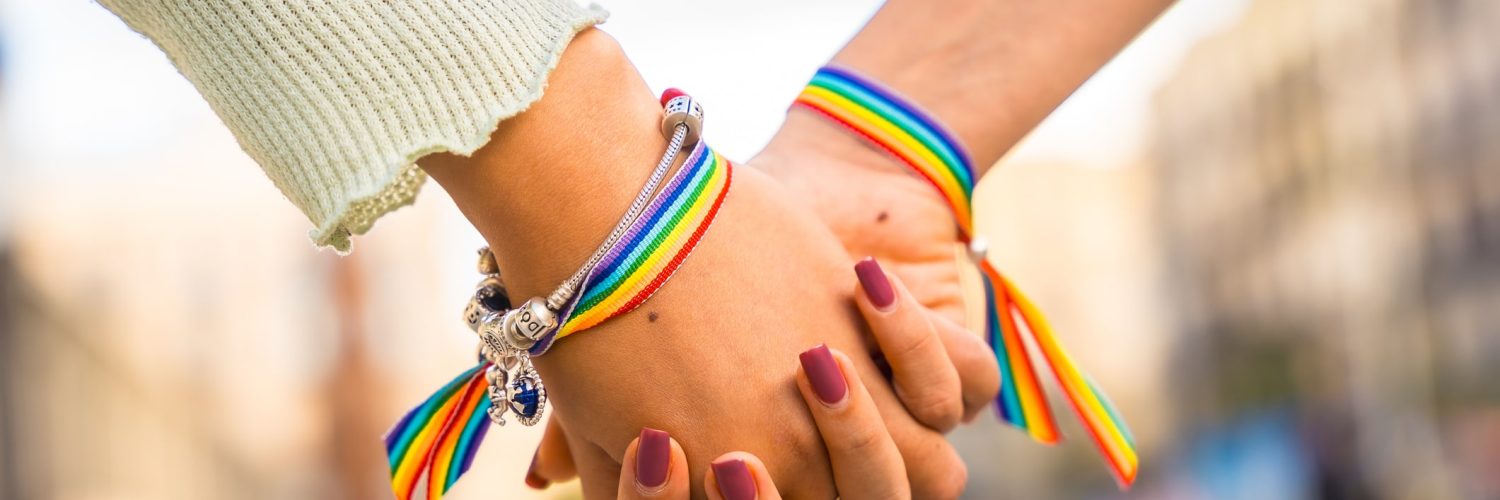
Everyone deserves to feel seen, accepted, and supported. Yet for many LGBTQIA+ individuals, finding that support isn’t always easy. Whether you’re navigating questions about your identity, facing rejection or negativity from family or friends, or simply feeling isolated, lacking a strong support system can be incredibly challenging.
The good news is that support can take many forms—and it’s possible to build meaningful connections, even if your current circle isn’t providing what you need.
Remember that family isn’t always biological
Many people find support through what is often called a “chosen family”—friends, mentors, neighbors, coworkers, or community members who offer acceptance, encouragement, and care. These relationships can be just as meaningful and impactful as family ties.
If the people around you aren’t supportive, it may help to focus your energy on cultivating relationships with those who respect your identity and make you feel safe being yourself.
Seek out community
One of the most powerful ways to combat isolation is by connecting with others who share similar experiences. Consider looking for:
- Local LGBTQIA+ community centers
- Pride organizations and events
- Support groups, either in-person or virtual
- Social clubs, sports leagues, or volunteer opportunities that welcome LGBTQIA+ participants
- Online communities and forums where you can connect with others safely and authentically
Even small interactions with supportive and/or like-minded people can help foster a sense of belonging and remind you that you’re not alone.
Find trusted sources of support
Support doesn’t always have to come from friends or family. Counselors, therapists, teachers, faith leaders, and mentors can also provide valuable guidance and affirmation.
When seeking professional support, consider looking for providers who have experience working with LGBTQIA+ individuals. Many directories allow you to search specifically for affirming providers who understand the unique challenges LGBTQIA+ people may face.
Set healthy boundaries
If certain relationships are causing harm, it may be necessary to establish boundaries. Boundaries can help protect your emotional well-being and create space for healthier connections.
This might mean limiting conversations about your identity with unsupportive individuals, reducing contact when possible, or choosing not to engage in situations that leave you feeling unsafe or disrespected.
Setting boundaries can feel challenging, especially if you’re not used to it, but it often feels easier over time the more you do it.
Helpful resources
If you’re looking for information, advocacy, support, or healthcare resources, the following organizations can help:
- The Trevor Project: Crisis intervention and suicide prevention services for LGBTQIA+ young people.
- Lambda Legal: Legal advocacy and resources focused on LGBTQIA+ civil rights.
- Planned Parenthood: Inclusive healthcare services, education, and resources for LGBTQIA+ individuals.
- PFLAG: Support, education, and advocacy for LGBTQIA+ people, their families, and allies.
- LGBT National Help Center: Peer support, information, and local resource referrals.
- Trans Lifeline: Peer support hotline run by and for transgender people.
You deserve support
Seeking support may make you feel nervous or vulnerable—that’s normal and expected. But reaching out, building new connections, and advocating for your own well-being are acts of courage. You deserve relationships that celebrate who you are, spaces where you feel safe and respected, and opportunities to show up as your authentic self. Wherever you are on your journey, there are people and communities ready to welcome you.