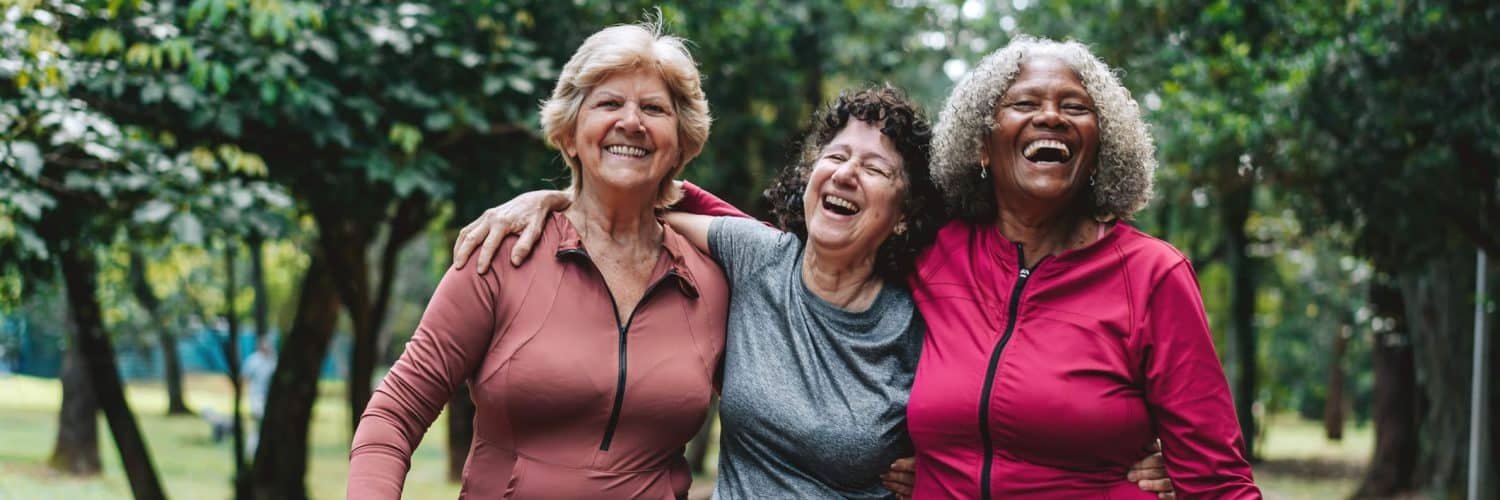
Getting older comes with changes. Some are welcome—greater confidence, more life experience, and a clearer sense of what matters. Others can be harder to navigate. These might include career changes, shifts in relationships, becoming a caregiver, family responsibilities, retirement, health concerns, or grief. While we often focus on physical health as we age, emotional well-being deserves just as much attention.
Mental health matters at every age
A common misconception is that feeling lonely, anxious, or down is just a normal part of getting older. While these experiences can become more common with life’s changes, they shouldn’t be dismissed as something you just have to live with. Mental health remains important throughout every stage of life, and it’s worth paying attention to changes in how you’re feeling.
Stay connected
Social connection plays a major role in emotional well-being. Changes in life can affect relationships at any age. As work, family life, and responsibilities change over time, staying connected may require more intentional effort.
Simple ways to stay connected include:
- Calling or visiting friends regularly
- Joining a community group or club
- Volunteering for a local organization
- Participating in faith-based or social activities
- Taking a class or learning a new skill
Staying connected doesn’t have to mean having a busy social calendar. Regular phone calls, a weekly coffee with a friend, or simply seeing familiar faces in your community can help you feel less alone.
Support your mental health through daily habits
Mental health isn’t only shaped by big life events or major challenges. It’s also influenced by the small choices you make each day. Everyday routines can affect how you feel, how you handle stress, and your overall sense of stability. Things like sleep, movement, and daily structure often matter more than people realize.
While there’s no perfect formula for well-being, a few basic habits can support both physical and emotional health, including:
- Getting enough sleep
- Moving your body regularly
- Spending time outdoors
- Eating balanced meals
- Making time for hobbies and interests
The most effective habits are often the ones you can stick with over time. Rather than trying to change everything at once, focus on small habits you can maintain consistently.
Navigate loss and life changes
Adults can experience loss and major life changes at any age, whether it’s the death of a loved one, changes in health, shifts in relationships, changes in work or family roles, or changes in independence. These experiences can bring sadness, frustration, uncertainty, or a mix of emotions that are difficult to put into words.
Whether you’re grieving the loss of a loved one or adjusting to a major life change, it’s normal to experience a range of emotions. There’s no “right” way to grieve, and there is no requirement to stay positive through difficult circumstances. Sometimes caring for your mental health means allowing yourself to feel what you’re feeling instead of pushing it away.
Know when to seek support
It’s normal to have ups and downs, but if feelings of sadness, anxiety, or hopelessness last for weeks at a time, it may be worth reaching out for support. Changes in mood, sleep, appetite, or daily functioning can sometimes be signs that additional help is needed.
Consider speaking with a healthcare provider or mental health professional if you notice:
- Ongoing sadness or anxiety
- Changes in sleep or appetite
- Loss of interest in activities you once enjoyed
- Feelings of hopelessness
- Difficulty managing daily responsibilities
Not every feeling or change requires immediate action, but it’s okay to seek support when something doesn’t feel quite right. Even if you’re unsure whether you need help, talking with someone can make it easier to understand what you’re experiencing.
Recognize your strengths
The experiences we gain throughout life can bring unexpected strengths. Many people develop greater resilience, perspective, patience, and emotional awareness over the years. Over time, these experiences can provide valuable skills and insights for navigating life’s challenges.
Even with those strengths, everyone faces difficult times. Mental health isn’t about being happy all the time. It’s about having the support, coping skills, and self-awareness needed to handle life’s ups and downs. Just as you take steps to care for your physical health, it’s important to make time for your mental and emotional well-being.